
Prostate Health Starts Here
Discover how targeted nutrition and essential nutrients support optimal prostate function, energy levels, and long-term wellness for men of all ages.
The information on this site is for educational purposes only and does not constitute medical advice. Always consult a qualified healthcare professional before making health decisions.
Understanding Prostate Function
The prostate gland plays a vital role in male reproductive and urinary health. Located below the bladder, it produces fluid that nourishes and transports sperm. As men age, supporting prostate function through proper nutrition becomes increasingly important for maintaining quality of life and overall wellness.
A well-balanced diet rich in specific nutrients—including zinc, selenium, lycopene, and omega-3 fatty acids—helps support normal urinary function, healthy hormone levels, and prostate tissue integrity. Combined with regular exercise and healthy lifestyle habits, nutritional support forms the foundation of a comprehensive wellness strategy.
Learn more about prostate wellness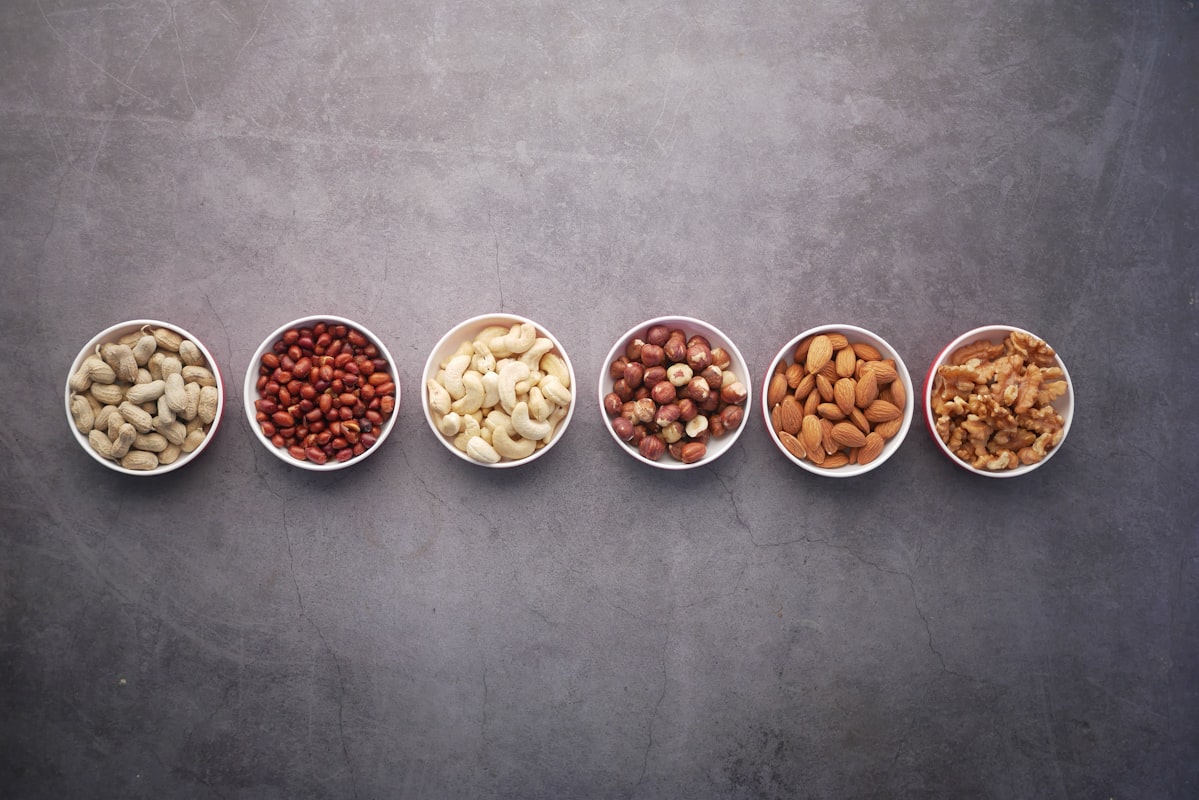
Essential Nutrients for Prostate Health
These key micronutrients and compounds support normal prostate function and healthy aging in men.
Zinc
One of the most concentrated minerals in prostate tissue. Zinc supports immune function, hormone metabolism, and cellular health. Found in oysters, beef, pumpkin seeds, and legumes.
Selenium
A powerful antioxidant that protects cells from oxidative stress. Selenium supports thyroid function and immune response. Rich sources include Brazil nuts, fish, eggs, and whole grains.
Lycopene
A natural pigment in red and pink foods with strong antioxidant properties. Lycopene supports cardiovascular health and cellular integrity. Abundant in tomatoes, watermelon, pink grapefruit, and guava.
Omega-3 Fatty Acids
Essential fats that support cardiovascular and immune health. Omega-3s reduce inflammation and support healthy hormone metabolism. Found in fatty fish, flaxseeds, chia seeds, and walnuts.
Vitamin D
Regulates calcium absorption and supports immune function and hormone metabolism. Vitamin D is produced by sun exposure and found in fatty fish, egg yolks, mushrooms, and fortified dairy products.
Plant Phytonutrients
Compounds like quercetin, resveratrol, and sulforaphane offer antioxidant and anti-inflammatory benefits. Found in cruciferous vegetables, berries, green tea, and colorful produce.
Your 4-Week Nutrition Plan
A structured approach to building sustainable habits that support prostate health and overall wellness.
Week 1: Foundation Building
- Assess current eating patterns and identify nutrient gaps
- Introduce zinc-rich foods: pumpkin seeds, oysters, chicken
- Add fresh tomato-based meals for lycopene intake
- Start drinking green tea daily for antioxidants
Week 2: Protein & Omega Balance
- Incorporate fatty fish twice weekly: salmon, sardines, mackerel
- Add Brazil nuts and selenium-rich whole grains to snacks
- Increase leafy greens and cruciferous vegetables daily
- Include vitamin D sources: egg yolks, fortified milk alternatives
Week 3: Habit Integration
- Prepare meal plans incorporating all key nutrients
- Increase water intake to support urinary health
- Add berries, pomegranate, and colorful produce to daily meals
- Monitor energy levels and general wellness improvements
Week 4: Sustainability & Review
- Review dietary changes and identify sustainable practices
- Establish long-term eating patterns that support wellness
- Plan for continued physical activity and healthy lifestyle habits
- Document progress and set goals for ongoing wellness
Ready to begin your nutrition journey? Explore our detailed resources and articles.
Read Full Nutrition GuideReal Results from Real Men
Discover how nutrition and wellness practices can support your health goals.
"After following the nutrition plan for just four weeks, I found the nutritional information on this site to be helpful and easy to understand. I sleep better, feel more focused at work, and I'm genuinely impressed by how simple dietary changes can make such a meaningful difference. This guide is comprehensive and easy to follow."
Riardo Kusuma
Jakarta
"As someone concerned about long-term health, this resource was exactly what I needed. The information about essential nutrients is backed by solid research, and the meal planning approach is practical for busy professionals. I've recommended it to several friends who are all seeing positive changes in their wellness markers."
Ahmad Wijaya
Bandung
Common Questions About Men's Nutrition
Find answers to frequently asked questions about supporting prostate health and wellness through nutrition.
Common indicators include low energy levels, disrupted sleep patterns, difficulty with physical performance, or general fatigue. Many men also notice improvements in urinary comfort and overall stamina after increasing intake of zinc, selenium, and omega-3 fatty acids. However, it's important to assess your individual dietary patterns to identify specific nutrient gaps. Keep a food journal for one week to track your current intake of key nutrients, and compare it against the recommended sources listed in our nutrition guide.
Most men report noticeable improvements in energy and overall wellness within 2-4 weeks of consistent dietary changes. Better sleep quality often appears first, followed by improved daytime energy and mental clarity. Changes in specific markers like urinary comfort may take 6-8 weeks as your body adjusts to improved nutrient intake. Individual results vary based on starting nutritional status, age, activity level, and how closely you follow the nutrition guidelines. Consistency is more important than perfection—sustainable dietary habits yield better long-term results than extreme short-term changes.
A well-planned diet can provide most essential nutrients for prostate health. Whole foods offer not just individual nutrients but also beneficial plant compounds, fiber, and natural phytonutrients that work synergistically. However, some individuals—particularly those with dietary restrictions, limited food access, or specific health considerations—may benefit from targeted supplementation. Our nutrition guide focuses primarily on food-first strategies, helping you maximize nutrient intake through everyday eating habits. If you're considering supplements, consult with a nutritionist or healthcare provider to ensure they complement your dietary goals.
Research suggests that reducing highly processed foods, excessive sodium, and trans fats supports overall wellness. Limiting alcohol consumption and avoiding excessive sugar intake also promotes better health outcomes. Red meat in moderation is generally acceptable, but emphasizing plant-based proteins, fish, and legumes tends to provide better nutrient profiles for men's health. The key is not strict elimination but rather building a diet rich in whole foods while gradually reducing processed options. Focus on adding nutrient-dense foods rather than focusing purely on restriction.
Nutrition and physical activity work together synergistically. A consistent exercise routine—combining cardiovascular activity, strength training, and flexibility work—enhances the benefits of improved nutrition. Aim for at least 150 minutes of moderate aerobic activity weekly, plus resistance training two to three times per week. Proper nutrition fuels your workouts and supports recovery, while exercise improves nutrient absorption and cardiovascular health. The combination creates a comprehensive wellness approach far more effective than either strategy alone. Start with small, sustainable changes in both areas rather than attempting dramatic overhauls.
Our platform offers comprehensive articles, detailed nutrition guides, and practical meal planning resources to support your wellness journey. We provide evidence-based information on essential nutrients, their food sources, and effective strategies for dietary implementation. Our content is designed to be accessible, practical, and focused on actionable steps you can implement immediately. Explore our full library of articles covering prostate health, nutrition science, meal preparation techniques, and sustainable lifestyle strategies. Contact us with questions about our content or for feedback on how we can better support your health goals.
Food-First Nutrition vs. Fragmented Approach
Discover why comprehensive, whole-food nutrition outperforms piecemeal dietary strategies.
MensNutritionPathlab Approach
- Whole-Food Focus: Real nutrients from whole foods, not synthetic supplements
- Personalized Plans: Tailored to your genetics, lifestyle, and goals
- Lab-Backed Science: Data-driven recommendations based on your test results
- Sustainable Results: Long-term health transformation, not quick fixes
- Expert Guidance: Nutritionists & health coaches support your journey
Typical Fragmented Approach
- Generic Diets: One-size-fits-all plans ignore your unique needs
- Supplement Overload: Too many pills without addressing root causes
- No Lab Insights: Flying blind without understanding your nutritional status
- Inconsistent Results: Short-term wins followed by rapid regression
- Limited Support: No ongoing guidance or accountability
Success Stories from Real Men
Hear how personalized nutrition transformed their health, energy, and confidence.
"I was constantly fatigued and struggling with my weight. The personalized nutrition plan based on my lab results changed everything. In three months, I lost significant weight and my energy levels skyrocketed. Finally understand what my body actually needs."
James Martinez
Marketing Manager, Age 38
"The coaches didn't just give me a meal plan—they educated me on WHY certain foods matter for my fitness goals. My performance in the gym improved, my recovery is faster, and I feel stronger than ever at 45."
Robert Kumar
Fitness Enthusiast, Age 45
"Struggled with digestive issues and brain fog for years. The comprehensive nutrition assessment pinpointed my deficiencies. After following the personalized protocol, my digestion improved and I'm sharper at work. This is life-changing."
David Rodriguez
Software Engineer, Age 42